Balancing Comfort and Air Quality: The Bedroom Ventilation Equation – Healthy Living Bedroom Ventilation
Achieving a truly healthy, comfortable bedroom requires managing a delicate balance between heat retention and fresh air circulation. In recent years, property guidelines in New Zealand have emphasized thorough insulation and draft-sealing to maximize heating efficiency. While these measures are excellent for keeping a home warm and reducing electricity bills, they also change how a building breathes.
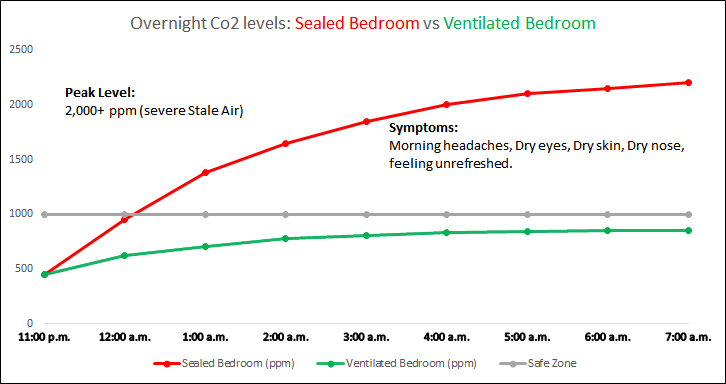
When a bedroom is completely sealed to trap warmth, natural air exchange slows down. Over an 8-hour sleep cycle, this can create an unintended side effect: a buildup of moisture vapor and a steady rise in carbon dioxide (CO₂) levels.
Understanding the Insulation and Ventilation Puzzle
It is a well-documented architectural reality that as homes become more airtight, the need for managed, intentional ventilation increases. If moisture has no clear path to escape, it condenses on cold windows and walls, which can inadvertently foster mold growth—even in homes that technically meet all structural heating compliance standards.
Because most people understandably prefer not to leave a main window wide open during a cold winter night, finding a middle ground is essential. Interestingly, official guidance from Tenancy Services notes that gaps under 3mm (roughly the edge of a New Zealand $2 coin) are not classified as draft defects requiring sealing.
Utilizing a minor, controlled 3mm gap as a passive air path can serve as a highly practical way to let excess humidity escape and keep overnight air fresh, without significantly impacting your room’s warmth.
Effective healthy living bedroom ventilation is crucial for a restful sleep environment.
Monitoring Your Sleep Environment with Data
Rather than guessing how your room is performing, you can use simple, low-cost smart hardware to find the exact “sweet spot” for your unique space:
- The Tapo H100 Hub & T315 Monitor: This system acts as your local climate brain, tracking precise temperature and humidity changes right from your phone.
- The Tapo P110M Smart Plug: Connected to your electric heater, this tracks exact power usage (kWh) so you know exactly what your heating costs are.
- A Standalone CO₂ Monitor: Placing an independent monitor (like a standalone Wi-Fi sensor) on your nightstand lets you visually track overnight air quality trends.
By programming your Tapo app to maintain a steady target—such as a comfortable overnight plateau of 18.5°C—you can run a simple multi-night test. By tracking your heater’s kWh power consumption against different minor window adjustments, you can easily identify the precise, controlled gap that keeps your air clean and dry while keeping your electricity costs minimal.
Can I use multiple Tapo T315 sensors on a single Tapo H100 Hub?
Yes. The Tapo H100 smart hub supports up to 64 connected devices simultaneously. Because the T315 tracks both temperature and humidity, the Tapo App counts it as two connected endpoints, leaving plenty of room to expand your network.
Does the Tapo P110M smart plug require the Tapo H100 Hub to function?
No. The Tapo P110M is a standalone, Matter-certified smart plug that connects directly to your home’s 2.4 GHz Wi-Fi router. It operates independently and does not use or count against the 64-device limit of the Tapo H100 hub.
Why is ventilation important in a heavily insulated or draft-sealed bedroom?
When a room is thoroughly sealed to maximize heating efficiency, natural air exchange slows down. Overnight, breathing creates moisture vapor and raises carbon dioxide (CO₂) levels. Managed ventilation is necessary to allow this humidity to escape, preventing condensation and maintaining fresh air quality.
What is the 3mm window gap rule mentioned in housing documentation?
Official New Zealand tenancy guidelines note that gaps or openings smaller than 3mm (the edge of a NZ $2 coin) are generally not classified as draft defects that require sealing. Utilizing a controlled, minor gap of this size can act as a subtle, passive air path to ventilate a room without causing significant heat loss.
How do I prevent a smart heater automation from turning on and off too quickly?
The Tapo T315 monitor features a built-in 0.1°C firmware safety delay. If your automation parameters are set to turn a heater off above 18.5°C and on below 18.0°C, the device automatically cushions those threshold boundaries, allowing the room to plateau smoothly without short-cycling the appliance.
The Toxic Reality of a Sealed Bedroom
If properties are made completely airtight without passive ventilation—like the continuous “trickle vents” legally required on all new windows in the United Kingdom—we may turn modern Kiwi bedrooms into unventilated, unhealthy sealed boxes.
When you sleep inside a fully sealed bedroom, two invisible dangers rapidly develop over an 8-hour night:
- The Moisture Bomb: A sleeping adult breathes out roughly 200ml of water vapor every single night. In an airtight room, that moisture has nowhere to escape. It hits the cold window glass and walls, creating a breeding ground for toxic black mold.
- The Carbon Dioxide (CO₂) Spike: As you sleep, you consume oxygen and exhale carbon dioxide. In a sealed room, CO₂ quickly spikes from a healthy outdoor baseline of 420 ppm to over 2,000 ppm by 3:00 AM. This results in fragmented sleep, morning headaches, and deep fatigue.
The Real Solution: Data Over Dogma
You cant blame people for “not opening windows,” but nobody is going to leave a main window wide open in the middle of a freezing winter night. The Healthy Homes guidelines do contain a tiny, buried clause mentioning a 3mm gap, but people may completely ignore it.
They shouldn’t. That tiny 3mm crack is actually the missing link to a healthy home.
At Total Support, we don’t guess—we use data. By combining affordable, highly precise smart tech, we can solve this ventilation paradox without blowing your power bill out of the water.
The Low-Cost Smart Hardware Infrastructure
To run this experiment, you only need three core low-cost components working alongside a standalone monitor:
- The Tapo H100 Smart Hub: This is the low-cost “brain” of your heating system. It plugs into any wall outlet, connects to your home Wi-Fi, and serves as the secure, local wireless master control. It can support up to 64 devices simultaneously, handling all your automation routing locally and instantly.
- The Tapo T315 Monitor: A highly accurate, battery-powered temperature and humidity sensor with an easy-to-read screen. It communicates back to the H100 Hub on a low-frequency Sub-G wireless band to save battery life.
- The Tapo P110M Smart Plug: A heavy-duty, Matter-compatible smart plug with built-in energy monitoring that connects directly to your electric heater.
- The Standalone SONOFF AirGuard CO2 Monitor: A premium, standalone NDIR sensor that sits on your nightstand to record historical air freshness data cleanly via Wi-Fi without needing a complex smart home bridge.
The Tapo Smart Action Parameters
You have complete freedom during the evening to adjust the bedroom to any temperature you find comfortable while relaxing, reading, or watching TV. The automated overnight scripts are completely dormant during this window.
However, at 11:00 PM, the automated system goes live to protect your sleep environment. To ensure the room successfully plateaus at your target 18.5°C, simply verify before sleep that the physical mechanical dial/thermostat on the heater itself is turned up high enough (e.g., set to 21°C or 22°C).
Program the following two Smart Actions exactly like this in your Tapo App:
Action 1: The Ceiling Limit
- Smart Action Name: >18.5°C Heater OFF
- Effective Time: 11:00 PM – 7:59 AM (Next day), Every day
- WHEN (Trigger): T315 Temperature → Higher than 18.5°C
- THEN (Action): P110M → Turn OFF
- Notification: Send Notification: Room over 18.5°C – Heater OFF
Action 2: The Floor Limit
- Smart Action Name: <18.0°C Heater ON
- Effective Time: 11:00 PM – 7:59 AM (Next day), Every day
- WHEN (Trigger): T315 Temperature → Lower than 18.0°C
- THEN (Action): P110M → Turn ON
- Notification: Send Notification: Room under 18.0°C – Heater ON
Note: The Tapo T315 has a built-in 0.1°C firmware safety cushion. This means Action 1 will trigger at 18.1°C and Action 2 will trigger at 17.9°C, naturally preventing your heater from short-cycling or clicking on and off rapidly.
The Total Support Bedtime Tuning Log
Use this 3-night manual tuning experiment to find your bedroom’s perfect structural and biological “sweet spot”:
| Night | Window Setting | Target Temp | Overnight Power (Tapo P110M) | Max CO₂ Level (Sonoff AirGuard) | Morning Room Health Check |
| Night 1 | Fully Sealed | 18.5°C | _____ kWh | _____ ppm | [ ] Headaches? [ ] Stuffy? [ ] Mold/Condensation? |
| Night 2 | 3mm Gap ($2 Coin Trickle) | 18.5°C | _____ kWh | _____ ppm | [ ] Headaches? [ ] Stuffy? [ ] Mold/Condensation? |
| Night 3 | Fine Tuned (Adjusted Gap) | 18.5°C | _____ kWh | _____ ppm | [ ] Headaches? [ ] Stuffy? [ ] Mold/Condensation? |
How to Analyze Your Log Sheet:
- The CO₂ Threshold: If Night 1 shows CO₂ climbing above 1,000 ppm, your bedroom is a sealed hazard. Look to see how drastically that number drops on Night 2 with your intentional 3mm gap.
- The Cost-to-Health Equation: Compare the kWh usage of Night 1 against Night 2 in your Tapo App. The tiny difference in your power bill is the exact, literal price of breathing fresh, safe air and keeping toxic mold off the walls.
- The Final Adjustment: If Night 2 still shows slightly high CO₂ or lingering window condensation, widen the gap to 4–5mm for Night 3. If the room felt too drafty, bring it strictly back to the 3mm line. It is time to stop blindly sealing our homes and start smartly tuning them.
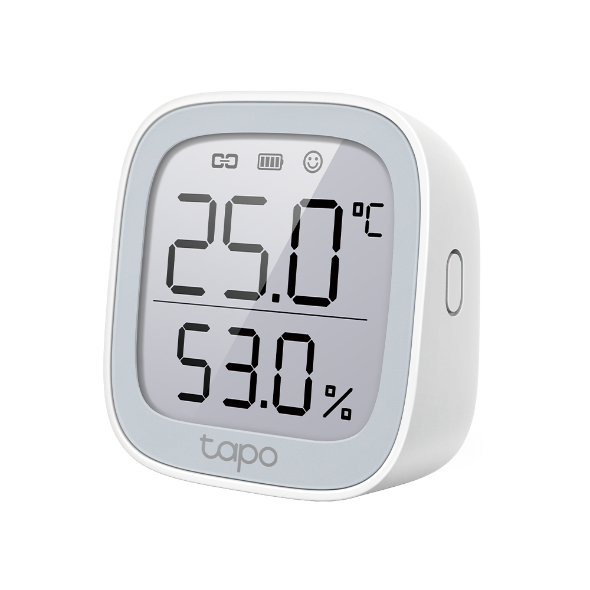
Tapo T315 Thermostat with a Temperature and Humidity display. The beautiful e-ink display provides clear readings and a long battery life. Place the Tapo T315 where you want to maintain accurate temperature.
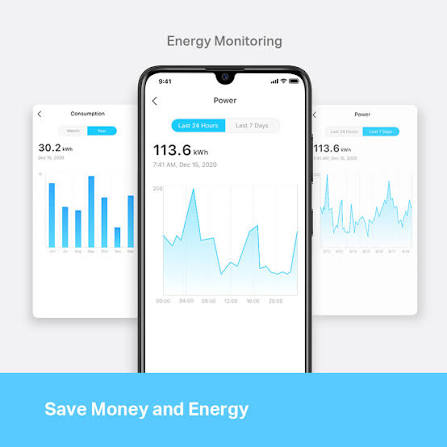
Tapo P110M Smart Plug Kwh graphs on Smart phone Tapo Free App
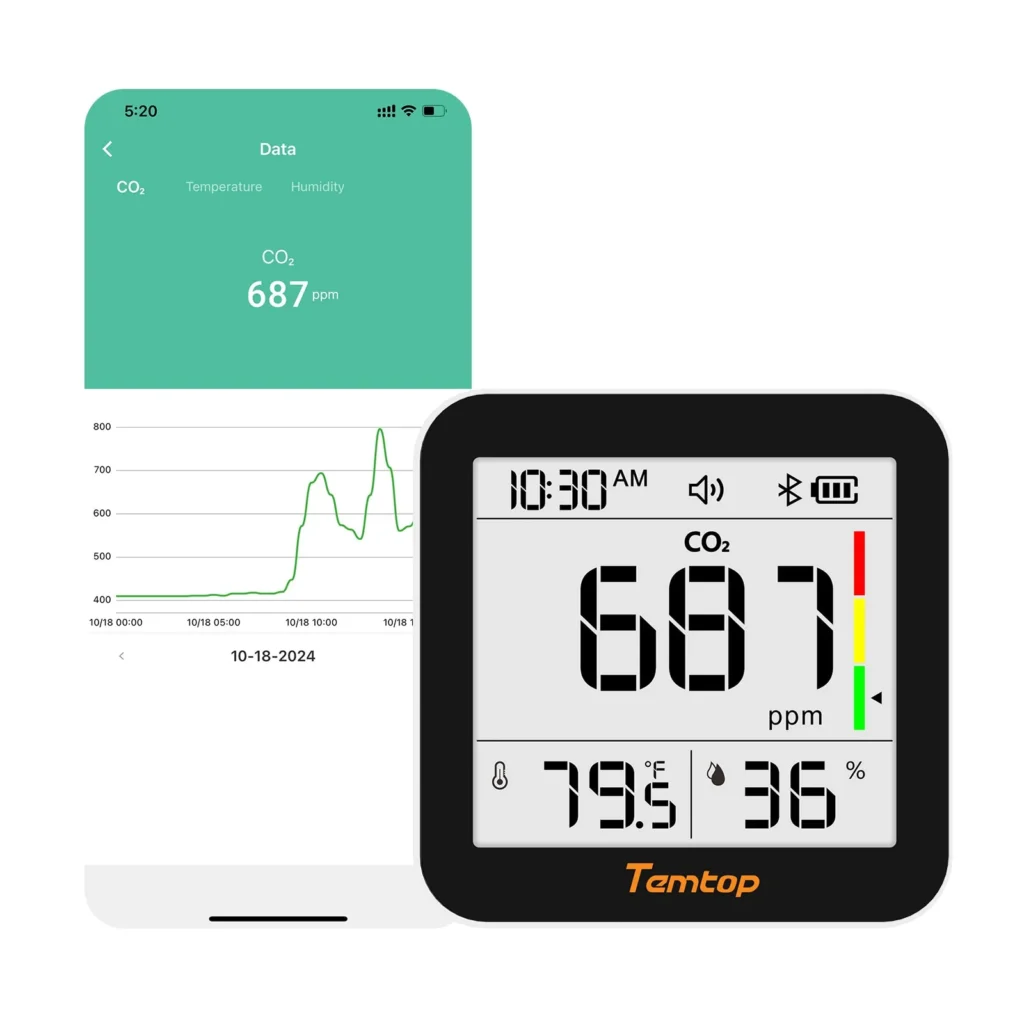
“Temtop Co2 second edition Air Quality monitor” Bluetooth with Co2 history, Temperature and Humidity graphs. High quality e-ink display. Rechargable 180 day battery. 180 days of Co2 ppm, Temperature and Humidity historical data available on the free app. Data can be exported as an “Excel xlsx file” and sent via email.
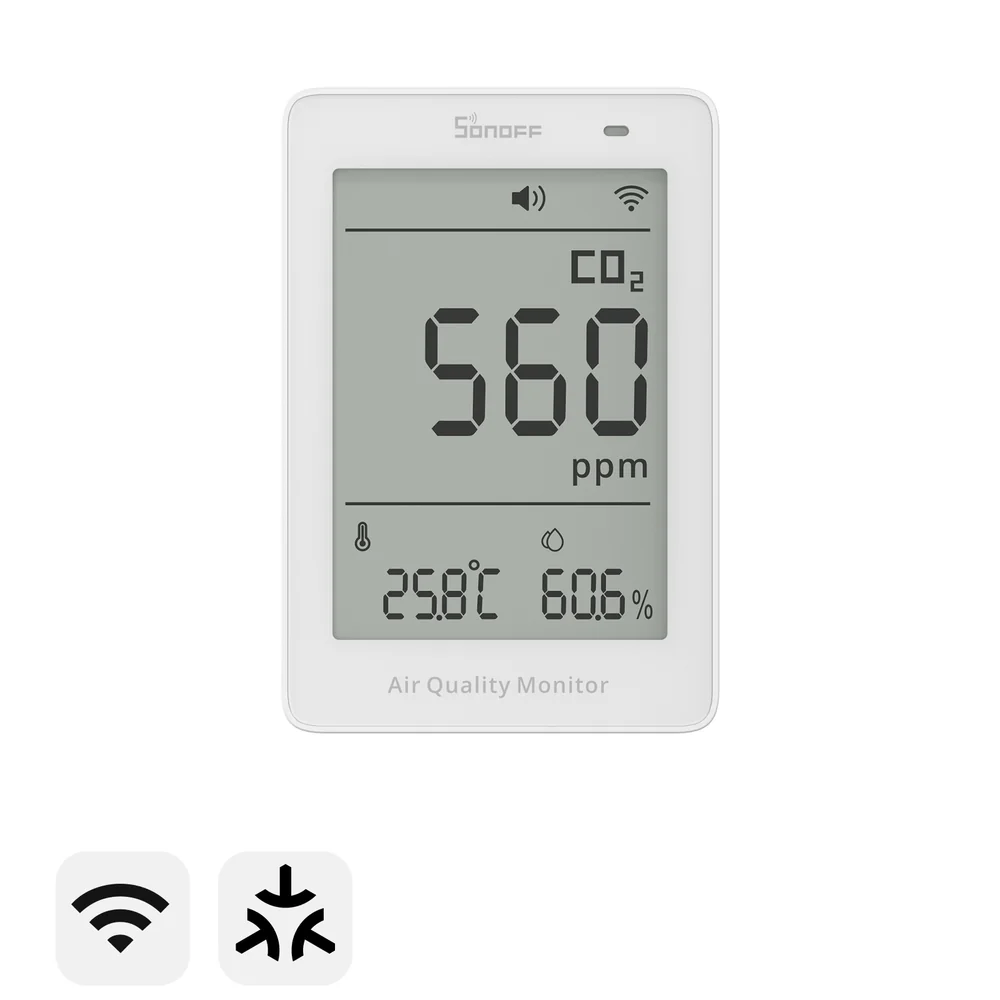
Sonoff Wi-Fi based Air Quality Co2 monitor
Leave a Reply